If your Meta campaigns are no longer delivering the same results as they did a year ago, and if it's obvious that the old approach just isn't working anymore, you're not alone. There's a fundamental change coming in the way Meta delivers ads to potential audiences.
New update: Andromeda.
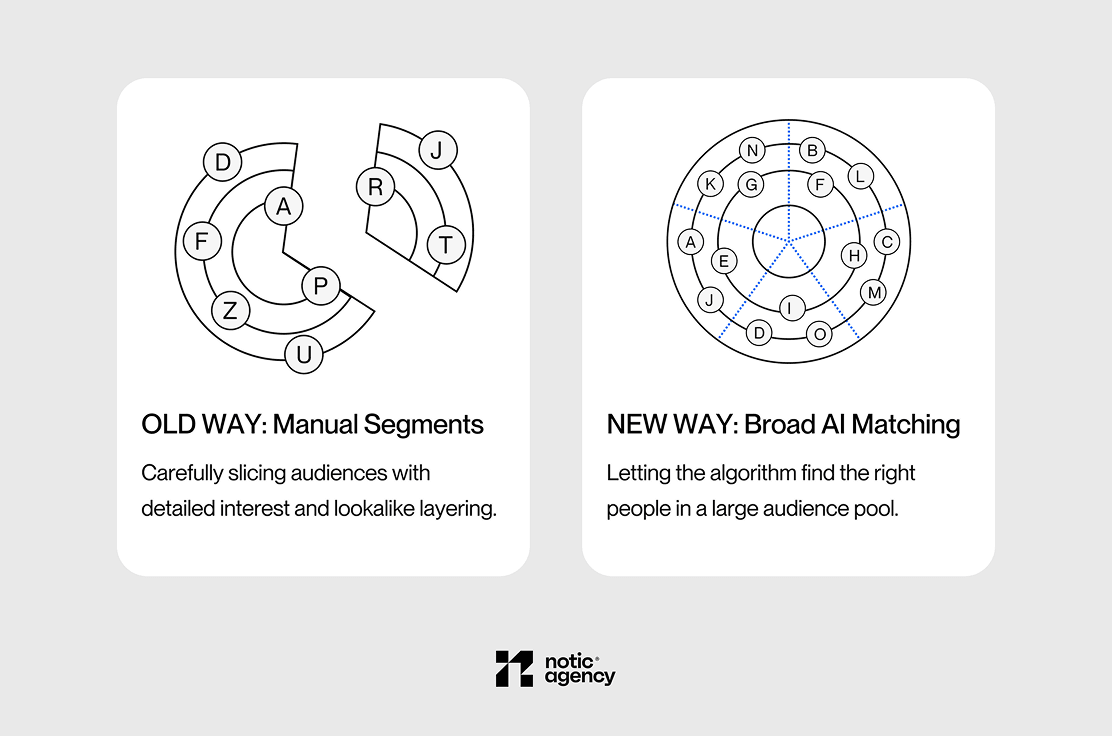
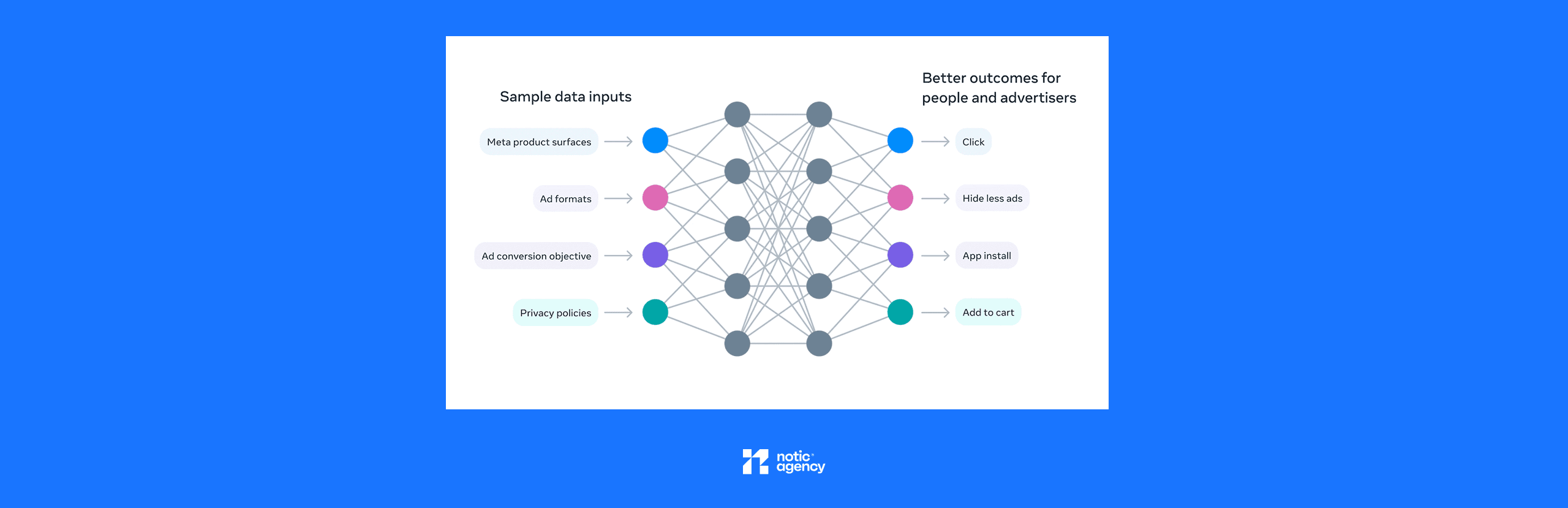
The era of manual targeting is slowly coming to an end. Instead of fine-tuning audiences and interests through campaign settings, we are entering an era of so-called »retargeting«, and in some markets this transition is already well underway. This is the new so-called Andromeda update, the result of a three-year project to completely overhaul the Met's advertising infrastructure.
»For the last ten years, we advertisers have been playing a game of probabilities: what are the chances that user X clicks on ad Y? Now this is turning into semantic acquisition in the sense of which ad contains semantic signals that match user X's intent? From January 2026, we need to change the way we think towards semantic acquisition: which ad contains semantic signals that match User X's intent?«.
In her writings, Meta likes to use impressive technical terminology to describe her products. Here's the official description of the new update: »Meta Andromeda is an innovative end-to-end hardware, software, machine learning co-designed system introduced in 2024, with Meta Training and Inference Accelerator (MTIA) and NVIDIA Grace Hopper Superchip.«
It sounds fascinating, but what about this Indeed mean for your campaigns?
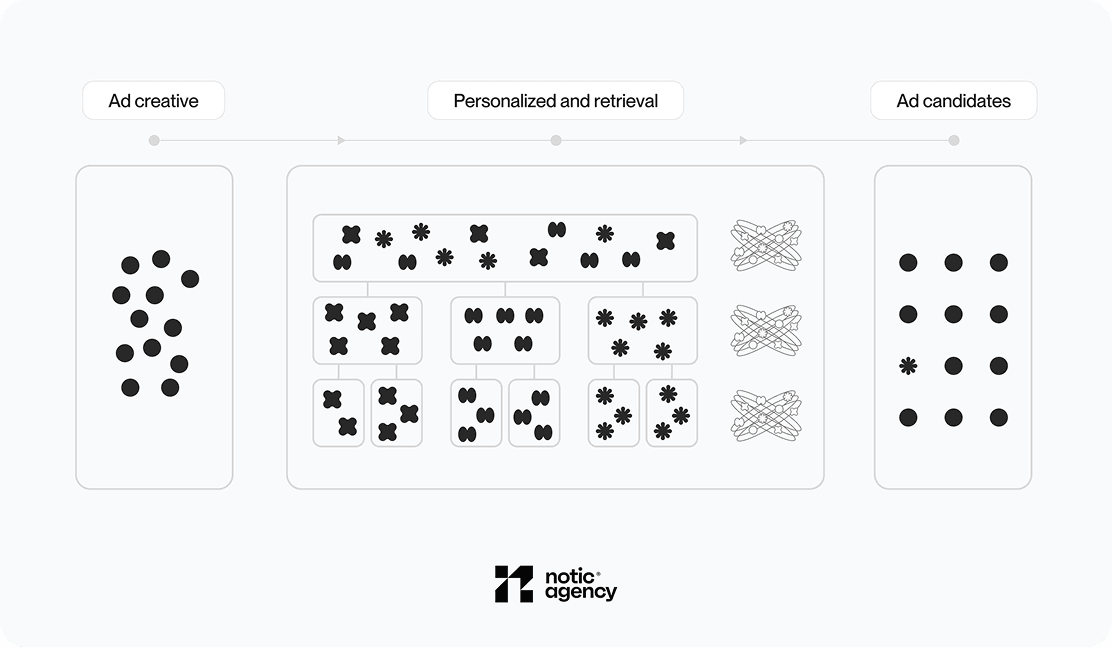
Andromeda is the name of a new complex AI system for deciding which ads to actually show and to whom. Think of it as a smart system that scans millions of ads and data points to identify the most relevant ad to show to the right person at the right time.
The old system understood data, but not context. It knew that ‘image #57’ got a click, but it didn't know what the image actually showed. The new system understands what the advert is saying, what it looks like and who it is aimed at. The difference is that the system now actually understands the context of the adverts and the audience of the advert chooses based on this.
The old algorithm has seen: ‘Video ID: 998877’ + ‘Interest: Tea.’
GEM sees: ‘Visual: green liquid, tidy office, laptop’ + ‘Sound: ‘Focus’, ‘Energy”‘ + ’Context: productivity.'
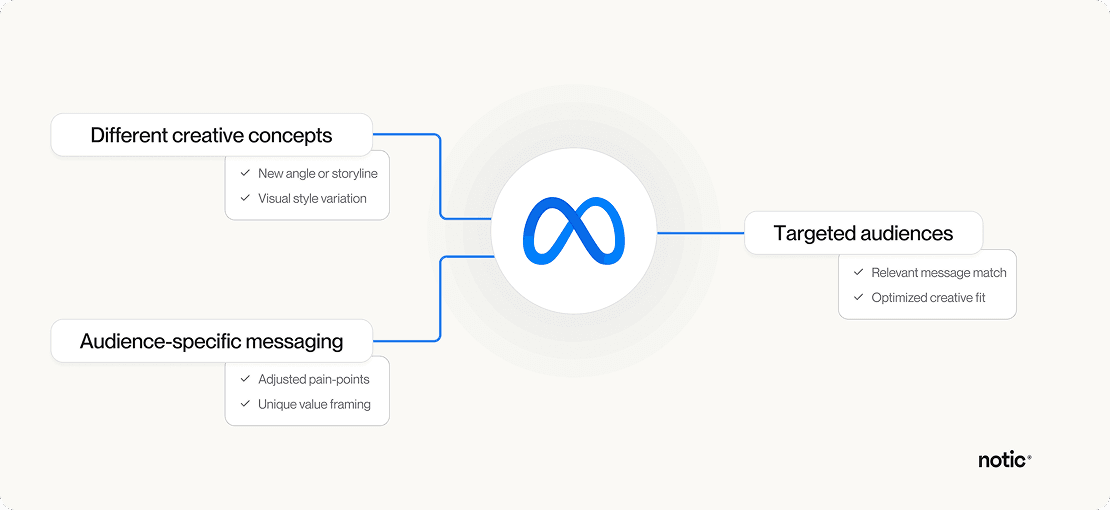
Andromeda starts the ad serving process with your creative signal, and the system asks itself: which users in the global database have an intent that matches the semantic profile of this ad?
If your ad is generic, say a graphic saying ‘Buy Now’, and it is not clear who the ad is aimed at, the semantic signal is weak and the algorithm will not be able to connect the creative to the right audience. Andromeda therefore fails to find the right match and displays the ad to bots or random users. The result is poor and the budget is thrown away.
This means that targeting no longer lives in the campaign settings, but in the creative itself.
We identify problems, look for opportunities for improvement and implement them using proven methods. It's no coincidence that 95 % of our customers stay with us.
Here's the part that changed everything. Andromeda introduced the so-called pre-selection phase, which happens before the ads even enter the auction.
The old system gave every advert a chance to compete. You uploaded an ad, it went to auction and Meta figured out where to show it.
The new system filters everything first, which can mean that your ads become “invisible” if your creatives were not diverse enough. Meta now processes tens of millions of ads and narrows them down to a few thousand candidates before the auction even starts. If your ad doesn't make it to this shortlist, it never gets a chance.
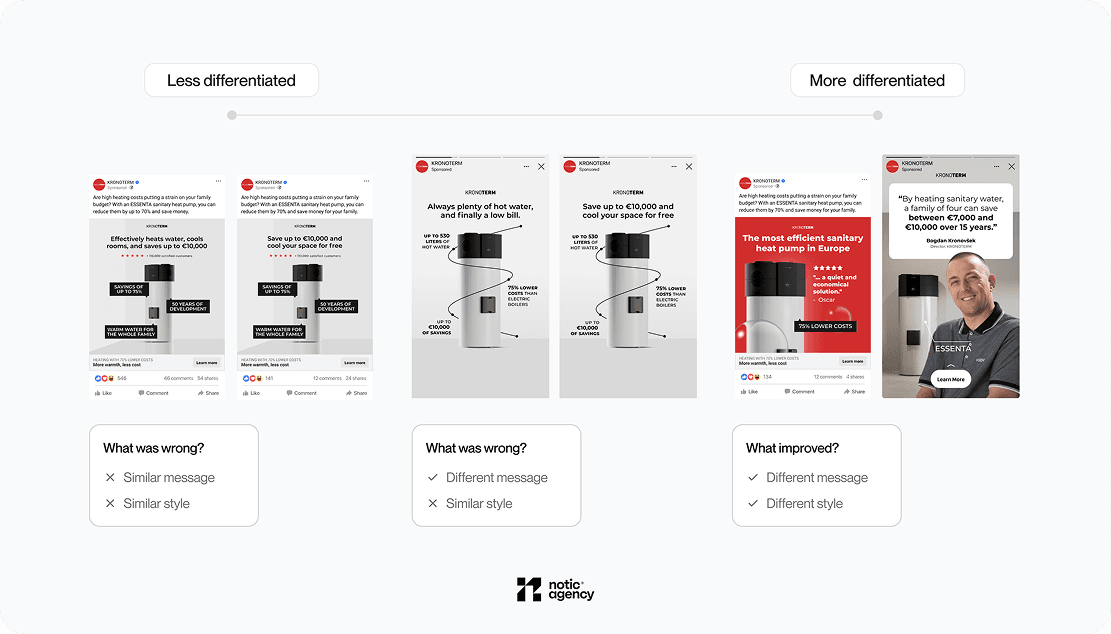
A similar creative where we changed the colour of a button or replaced a piece of text? Andromeda now considers this as the same ad and will not show both. The system has nothing new to further optimise the campaign.
We will now target potential audiences through creative
If small variations on creatives are not enough, how do you go about setting up campaigns? The official Meta guidelines are clear here. The focus has shifted from niche targeting in campaign settings to creative diversity as the best tool for reaching relevant audiences.
However, »creative diversity« does not mean producing 20 versions of the same ad with only slightly changed headlines or layout. It means creating ads that are genuinely visually and messaging different from each other.
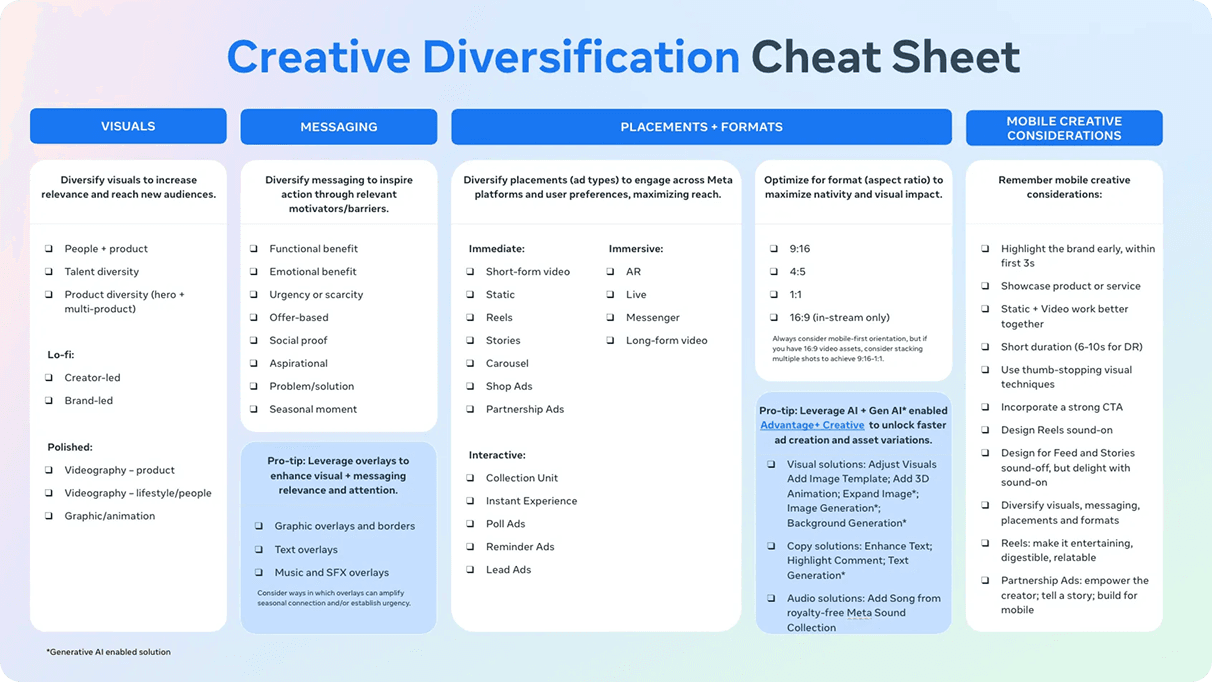
A variety of creative content is recommended in several key areas that appeal to different segments of your potential audience:
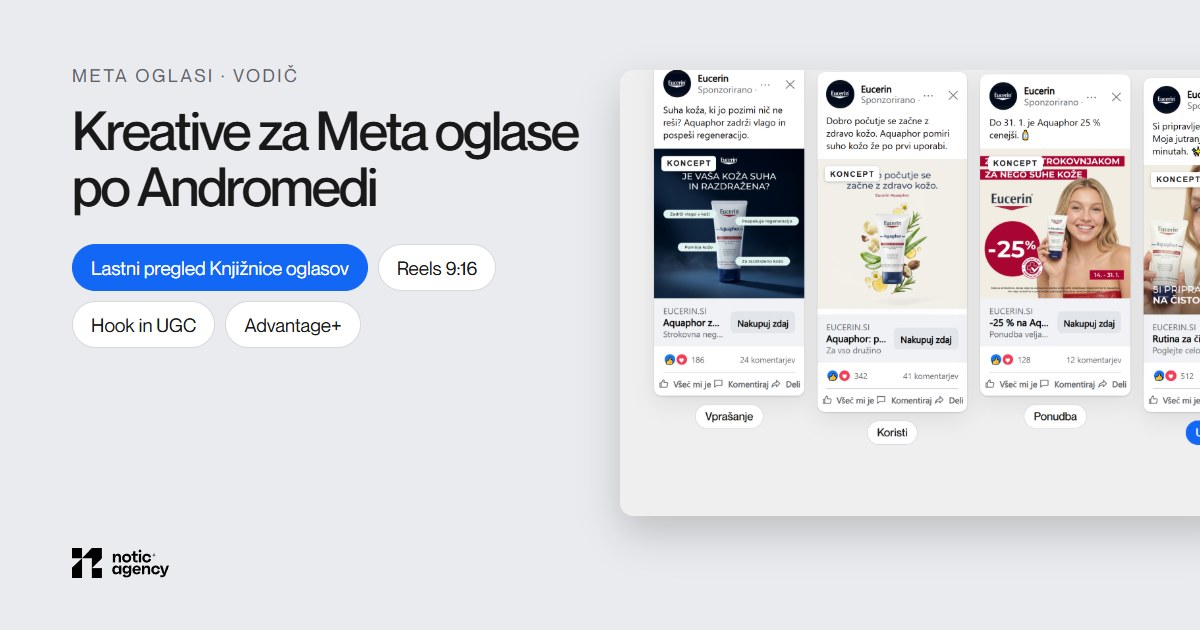
Concepts and approaches. We use a variety of content approaches such as: previous topics, problem/solution, pain points, satisfied customer reviews, product features, educational content. Each of these appeals to people at different stages of the purchase journey.
Different formats. Not only content, but we offer the system different formats such as: short video, long video, static creatives, carousels. Different people respond to different formats, giving the system enough variety of input.
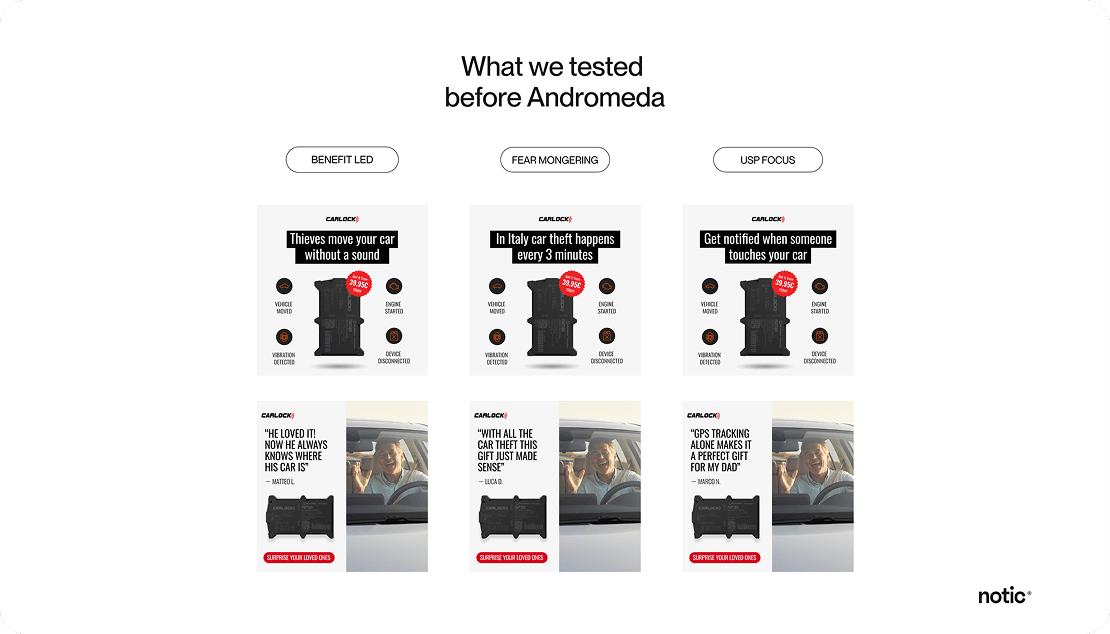
Person. Your product is likely to appeal to many different types of people. A working parent has different problems than a young student, although both may be looking for the same solution or product.
Text versions. Don't just change a few words in your message. Write completely different messages that address different concerns or benefits. The more meaningful versions you provide, the more opportunities Andromeda has to connect the right message to the right person.
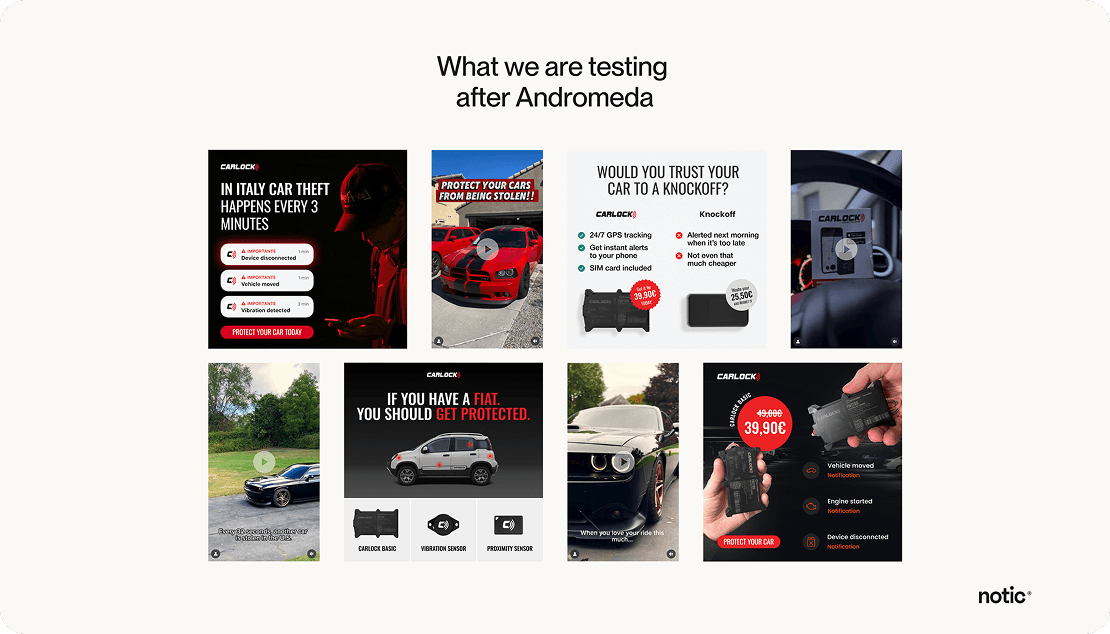
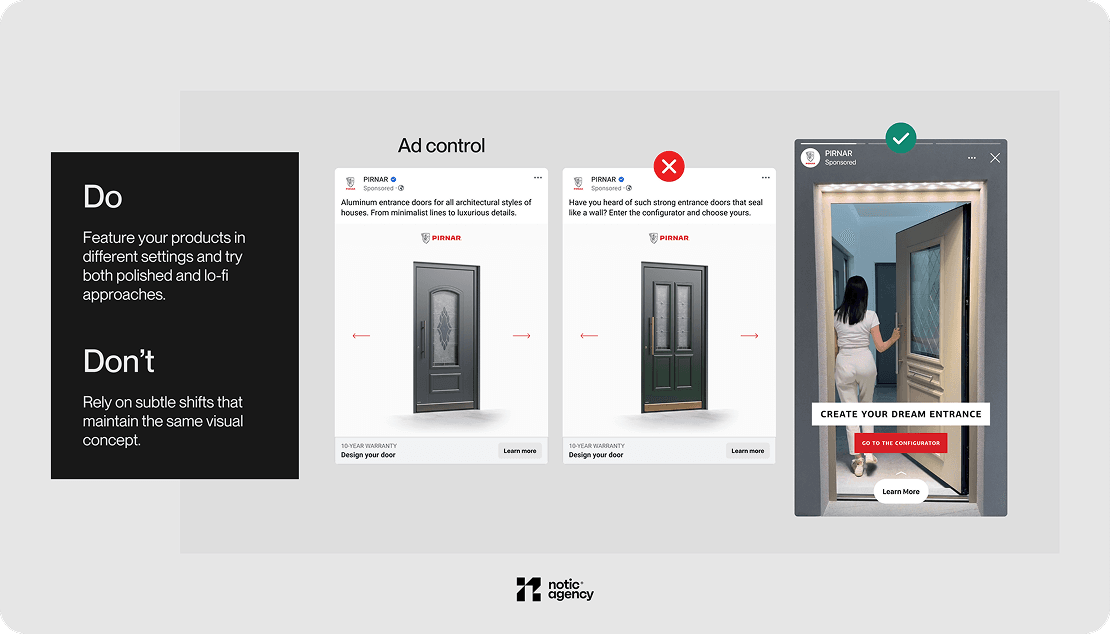
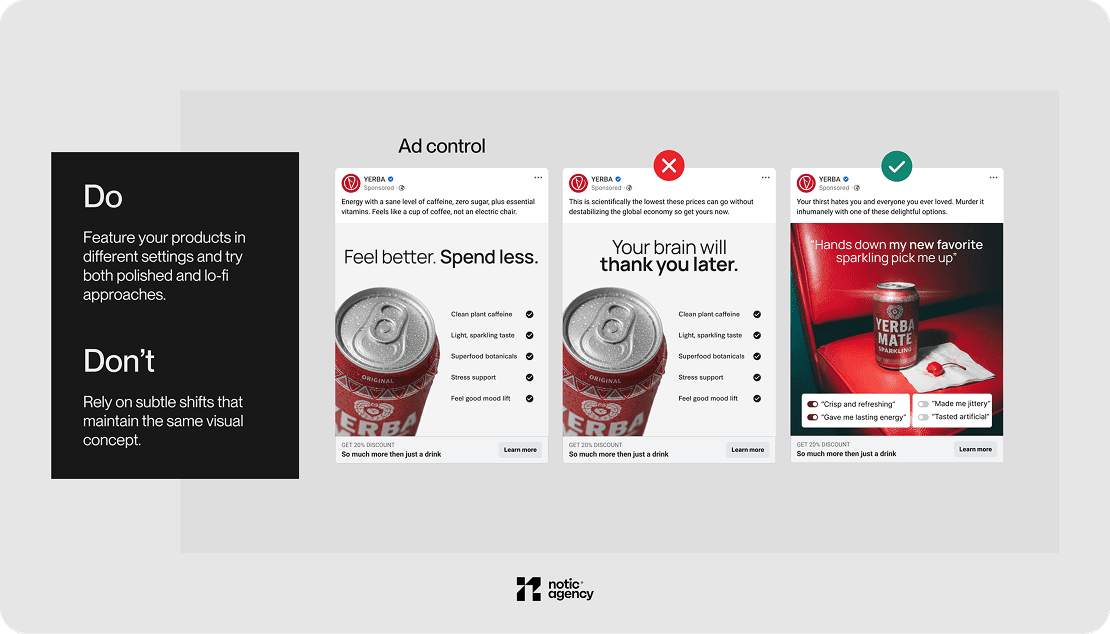
Here are some proven practices that actually work under the new system. Multiple ads help, but only if the visuals are really varied. Two similar creatives will not work better than using the same or similar image twice at the same time.
Meta wants visual diversity, which is obvious. If someone is browsing their feed and sees your ads, they should look like different ads, not just slight variations of the same thing.
You won't believe it, but it's possible. Get to know us and how we approach working with clients in our boutique digital agency.
Use different formats
Some users love video content, while others skip anything that moves. Your ideal customer might watch Reels all day but never watch the videos in their Facebook feed.
Offer Meta possibilities by including videos, still images and carousels in the same ad set. An algorithm will determine which format works best for each person and layout.
You can do this with separate ads, or use tools like Flexible Format or Dynamic Creative to include ten different images or videos in a single ad. Meta mixes and matches them depending on who is seeing the ad and where.

Consolidate campaigns, let the ads take care of the targeting.
Andromeda works best when you combine campaigns and include more creative variations in fewer ad sets with broad targeting. Targeting now takes place mostly directly in the ad.
Wider targeting allows the algorithm to optimise better because it has more data at its disposal. When you restrict targeting too much, you limit the system's ability to find the right people for each piece of creative content. Keep ad sets broad and let the system do its job.
You still need different campaigns for different objectives. But you probably don't need to have multiple ad sets just for the sake of your target audience. But pay attention anyway and test this approach for your specific case.
Selection of ads
Matching was based on rules, each ad had the opportunity to participate in the auction
AI-led audience search, ads pre-screened before auction
Ad scaling
Scaling similar visual variations of winning ads
You need a constant flow of different, fresh creative concepts.
Main focus
Audience targeting in settings (demographics, interests, behaviour)
Diverse creative content (multiple angles, formats, approaches)
Variations of advertisements
Minor adjustments, such as colours or minor corrections to the text, were sufficient
Meaningful visual differences between ads are needed (different concepts, formats, visuals)
Campaign structure
Multiple ad groups for different audience segments
Consolidated campaigns with broad targeting
Recommendation on ad restrictions
Maximum 6 ads per ad set
No limit (10, 20, 50+ ads if they are diverse)
Approach to testing
Slow A/B testing of individual elements
Continuous rotation of different creative content
Targeting takes place in
Campaign and ad set settings
Inside the ad creative itself
Optimisation
Bidding strategies, targeting audiences, selecting impressions
Quality of ads, variety of formats, variety of messages
Meta's official guidance is clear. Focus has shifted from niche targeting to creative diversification as the best lever to find relevant audiences.
But “creative diversification” doesn't mean pumping out 20 versions of the same thing with slightly different headlines. It means creating ads that are meaningfully different from each other.
Here are the main changes from before and after the Andromeda update:
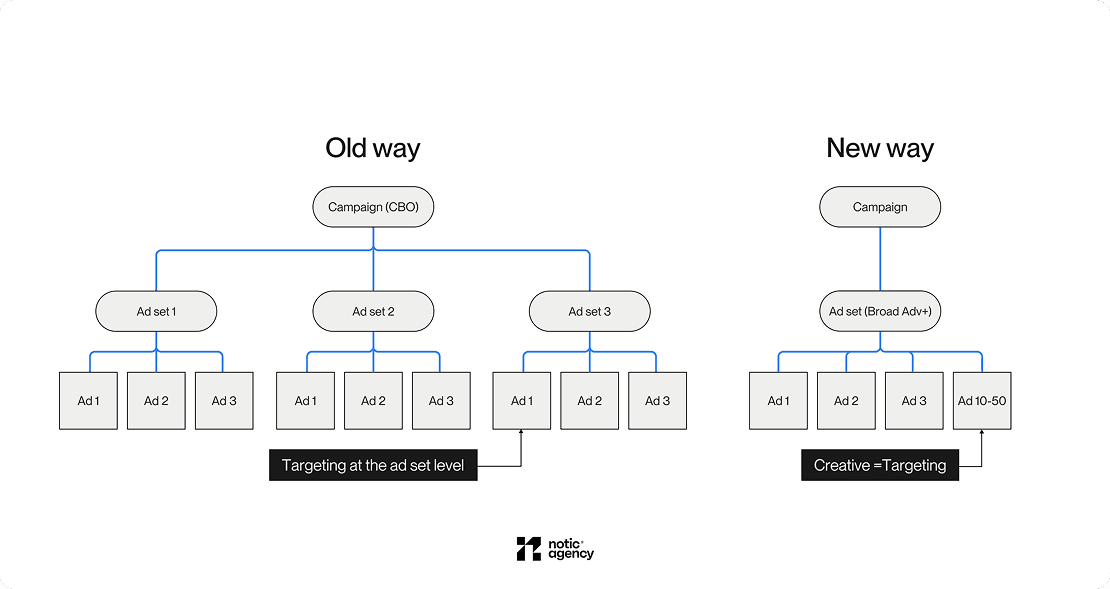
Meta used to recommend a maximum of six ads per ad set. This recommendation quietly disappeared at the beginning of 2025, almost certainly due to Andromeda.
Ads are now successfully used in much larger numbers, often 10, 20, even 50 ads in one ad set. The system is designed to support this capacity if the ads are meaningfully different.
Multiple ads are not a magic bullet, so it's important to test with your ad account. The aim is to provide enough creative variety while making sure each ad is strong in its own right. But be careful:
Andromeda has set slightly higher standards, but this change can actually pay off if you adapt. Stop looking for ways to cheat the algorithm with tricks and campaigns hacks. Start creating ads that actually speak to the people you want to reach.
The more variety you offer, the better Andromeda works. And the better your ads, the more efficiently your budget is spent. Well, at least that's the theory.
Evaluate your current creative content.
Start by taking a close look at what you are currently doing. Open your active campaigns and review each ad. Are they really varied or are they just small variations of the same thing? Be honest. If you have five video ads of your product with slightly different backgrounds, that's not diversity.
Try different formats (video vs. static), different concepts (testimonial vs. product demo), different aspects (problem vs. benefit) and different personas (targeting different types of customers).
Pull up your active campaigns and look at every ad. Are they actually diverse, or are they minor variations of the same thing? Be honest here. If you've got five ads that are all product shots with slightly different backgrounds, that's not diversity.
Try different formats (video vs. static), different concepts (testimonial vs. product demo), different angles (pain point vs. benefit focused), different personas (targeting different customer types).
Simplify your campaign structure
Then take a look at how you have organised your campaigns and ad sets. If you have multiple ad sets with different targeting parameters to reach different audiences, it might be time to consolidate.
The old approach revolved around audience segmentation. So we created one ad set for women 25-34, another for men 35-44, another for people interested in fitness, and so on. The problem is that this limits the amount of data each ad set receives, which means that the algorithm learns more slowly.
Instead, consolidate into fewer ad sets with broad targeting. Include more creative variations in each ad set and let Andromeda do the matching. You still need different campaigns for different targets (e.g. conversions vs. traffic), but it's probably not necessary to have five ad sets all targeting conversions with slightly different audiences.
Focus on the creative part instead
Time is better spent creating ads that actually reach different people in different ways. Think carefully about who your actual customers are, what problems they are trying to solve and how your product helps them to do so.
If you are selling an online course on career progression, it is not enough to create a generic advert inviting people to sign up. That is too weak a signal.
Instead, create an advert that appeals to mid-career people who feel stuck and need new skills to get ahead. Another that addresses fresh graduates because their theoretical education has not given them enough tools for the real market. A third that focuses on parents who are returning to the labour market after a long break and need a quick refresher.
These are three completely different angles that resonate with different segments of the audience. Andromeda will work out for itself who needs to see which message. Your job is to give it enough diverse material to work with.
Check your tracking
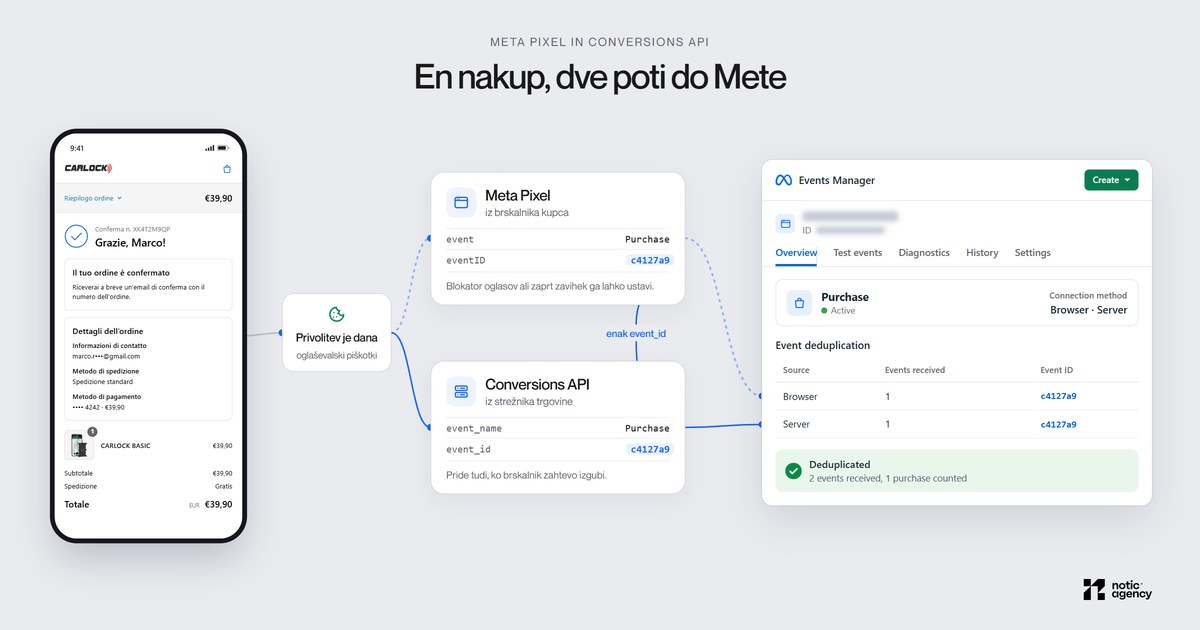
Before you change anything in your campaigns, make sure that Meta actually sees what happens after a click on your ad, because that's the foundation of everything. If tracking is broken, nothing else matters.
Go to Events Manager and check if you are capturing all the key events: view page, add to cart, start shopping, purchase. If you notice any inconsistencies, try to fix them as soon as possible. Check the implementation of the pixel (or CAPI), ensure that the events are triggered correctly and that the data is flowing correctly into the Meta platform.
Change creative materials regularly
Don't wait for the moment when your ads no longer work, because by then you've already blown your budget on outdated creatives.
Regularly incorporate material rotation into your weekly or monthly process: monitor key metrics, identify which ads remain below the expected level and replace them with a different angle or format in time. Keep successful ads active, but have fresh creative ready ahead of time, as regular refreshes of visuals, text and formats help maintain stable results throughout the campaign.
That doesn't mean you have to create brand new campaigns from scratch every two weeks. You can refresh by changing the content (from pain to benefit), change the format (from static to video) or address a different persona. The key is constant iteration, because Andromeda needs fresh material to do its job. Under the new system, it is recommended to have 8 to 15 really different creatives per campaign.
Probably you
Also interested in:
Probably you
Also interested in: